State Department: No, We Won't Be Paying Ransom For Iran's Latest American Hostages
 After the Obama administration paid the Iranian government at least
$400 million in cash for the release of four American hostages as part
of the 2015 Iran nuclear agreement, the Islamic regime took two more
Americans hostage and is now demanding ransom payments for their
freedom.
After the Obama administration paid the Iranian government at least
$400 million in cash for the release of four American hostages as part
of the 2015 Iran nuclear agreement, the Islamic regime took two more
Americans hostage and is now demanding ransom payments for their
freedom.Americans Baquer Namazi and Siamak Namzi were both sentenced to ten years in prison earlier this month after being accused of spying by the Iranian government, an accusation falsely and often used against Americans living or working in the country.
Iranian-Americans Baquer Namazi and his son Siamak have been sentenced to 10 years in prison and fined $4.8 million, according to Iran's official news channel IRINN.Just this week, American Reza Shahini was sentenced to 18 years in prison. From The Foreign Desk:
Iran officials say five people were convicted and sentenced for "cooperating with Iran's enemies," a government euphemism that usually implies cooperating with the United States.
Siamak Namazi was arrested nearly a year ago and became the first US citizen reported to have been detained in the country since the announcement of the Iranian nuclear program deal.
The U.S. is "troubled" by reports of an 18-year sentence handed down to a dual U.S.-Iranian national, a State Department official told The Foreign Desk.Despite Iran offering to release hostages for a price of $4 million, pocket change compared to $400 million previously paid, the State Department has said ransom will not be paid.
"We are troubled by reports that Robin (or Reza) Shahini, a person reported to be a U.S. citizen, may have been convicted and sentenced to eighteen years in prison. We reaffirm our calls on Iran to respect and protect human rights and fundamental freedoms, cease arbitrary and politically-motivated detentions and ensure fair and transparent judicial proceedings in all criminal prosecutions consistent with its law and international obligations," the State Department said.
An Iranian court has sentenced a dual-citizen American Iranian man to 18 years in prison for allegedly ‘collaborating with a foreign government’ and for posts he published on his social media page, his family members told The Foreign Desk.
The State Department insisted Tuesday that Iran has no reason to believe that the U.S. will honor ransom demands for the release of dual U.S.-Iranian citizens or others with close western ties imprisoned in Iran.Earlier this year the State Department finally admitted the nuclear deal has likely emboldened Iran's longstanding bad behavior rather than deterring it, something critics of the deal warned about for years.
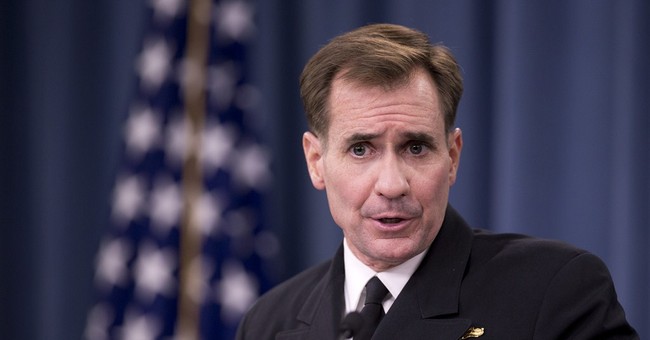
"I can't speak to the motivation behind these detentions, but if there's a perception out there, if one of the motivations were to secure ransom, it is a false perception — it is wrong," State Department spokesman John Kirby told reporters Tuesday.
"What I can say again is that we do not pay ransom. We don't pay ransom," he said. "We didn't then, we don't now. We're not going to change that policy going forward."

No comments:
Post a Comment