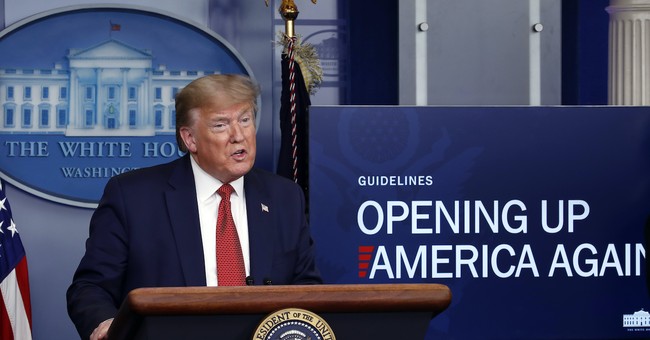
Before entering phase one of the plan, states are encouraged to first witness a decline in the number of cases in their area over a 14-day period. In addition, it's recommended that states have the hospital capacity to handle coronavirus cases without crisis care and have in place adequate testing programs, including antibody testing, to monitor at-risk health care workers.
In the first phase, vulnerable individuals should continue to shelter in place and practice isolation when family members or other individuals return to the workforce or other situations where they may come into contact with the virus. Gatherings of more than 10 people should largely be avoided unless additional measures are taken to protect against the spread of the virus. Individuals should continue practicing social distancing when in public and around other people. Non-essential travel should be minimized and CDC guidelines regarding isolation after traveling should be observed.
In the second phase, vulnerable individuals are urged to shelter in place and others are encouraged to continue practicing social distancing in situations involving other people. Schools and some additional businesses can reopen, like restaurants, bars, gyms, and large venues, as long as social distancing measures are observed. Telework is still encouraged when possible and offices should close off common areas to prevent staff from congregating too closely.
The third and final phase is recommended for states that do not see an uptick in cases after lifting earlier restrictions. In this phase, public interactions and visits to nursing homes may resume and bars and restaurants can begin expanding capacity. Individuals are still encouraged to practice social distancing when possible while still avoiding large gatherings. Employers may also begin unrestrictive staffing of the workplace.

No comments:
Post a Comment