At the G-7 Summit, UN Secretary-General Ban Ki
Moonbat blames ISIS, Boko Haram, and ‘Islamophobia’ as the root causes
for ‘violent extremism,’ better known as Islamic terrorism
Bare Naked Islam
Moonbat’s ‘politically correct’ comments have been edited in red for clarity and accuracy: Moonbat: “I am increasingly concerned by the spread of violent extremist Islamic terrorist groups and the malicious and hateful Islamic ideologies that are fueling Muslim violence and terrorism around the world.”
 “…I AM AN IDIOT”
UN.org From the deadly ideologies of ISIS [Islamic State of Iraq & Syria] and Boko Haram, to ‘Islamophobia,’ (the result of intolerance and hatred inherent in Islam)
this wave of intolerance and hatred is a serious threat to peace,
development, human rights and humanitarian action. The two most
pressing issues we need to address are the underlying contexts and
drivers of violent (Islamic) ideologies and the main threats that have emerged, such as foreign Muslim terrorist fighters.
During the last 15 years, most counter-Islamic
terrorism efforts have been reactive, focusing largely on military and
security measures. This approach has often generated negative
unintended consequences, further radicalizing disenfranchised Muslim communities.

Later this year, I will present a United Nations Global Plan of Action to Prevent Violent Extremism Islamic terrorism to the General Assembly. The Plan will propose ways to address the causes of violent extremism Islamic terrorism, including intolerance (by Muslims), Muslim governance failures and political, economic and social marginalization.
Addressing violent extremism Islamic terrorism demands a proactive, “all-of-society” approach that includes minorities, women and youth as partners. The targeting of Muslim and non-Muslim women bears special mention. With every attack and encroachment by violent extremists Muslim terrorists, the first targets are the rights of women and girls.
 Governments also have a particular responsibility to address the aspirations of youth, especially in Muslim countries where youth represent an increasing majority of the population. Youth are the group most prone to Islamic radicalization and
 violent extremism Islamic terrorism. Most foreign terrorist fighters are young Muslim males aged between 15 and 35. But young people are also part of the solution to preventing violent extremism Islamic terrorism. We all need to do a better job of engaging them. Networks of young peacebuilders and activists confronting violent extremism Islamic terrorism will do more than any government programme.

Violent extremism Islamic terrorism
is a fundamental threat to all countries and people. The international
community’s response will be effective only through coordinated,
multilateral action. Such cooperation is especially important in
addressing the financing of Islamic terrorism, the vulnerability of so many borders, and the foreign Muslim terrorist fighter phenomenon.
We must also take special care not to
exacerbate the problem. Undoubtedly, security measures and even military
action may be necessary to address the real threats posed by violent extremists Muslim terrorists.
But when counter-Islamic terrorism efforts ignore the rule of law and violate fundamental Muslim
rights — which they do far too often — they not only betray the values
they seek to uphold, but can also end up further fueling more violent extremism Islamic terrorism.
In many places, certain Muslim groups of society, or entire Muslim communities, are properly
targeted by security forces — sometimes brutally and
disproportionately. The only real effect of such actions is to increase
still further the levels of Muslim bitterness, Islamic radicalism and extremism within the target communities.
Missiles may kill Muslim terrorists. But I am convinced that good governance overwhelming military force by the West is what will kill Islamic terrorism.

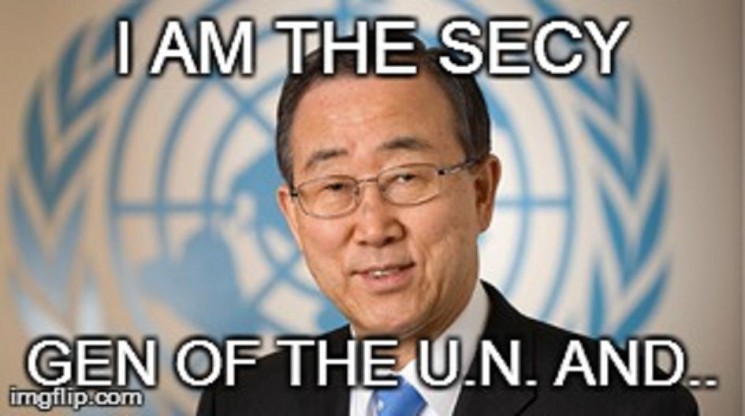 “…I AM AN IDIOT”



No comments:
Post a Comment